


Beginner Lighting Techniques: Mastering Photography Lighting for Stunning Shots
- Simon Price

- Mar 23
- 4 min read
When I first picked up my camera, lighting was a bit of a mystery. I knew it was important, but how to use it well? That was the real question. If you’re just starting out, don’t worry - I’ve been there, and I’m here to share some simple, practical tips to help you get comfortable with lighting. Whether you’re snapping portraits, family photos, or headshots, understanding lighting can make a huge difference. So, let’s dive into some beginner lighting techniques that will boost your confidence and your photos!
Why Lighting Matters: Beginner Lighting Techniques You Should Know
Lighting is the heart and soul of photography. It shapes your subject, sets the mood, and can even tell a story. Without good lighting, even the best camera can’t save a dull photo. The great news? You don’t need fancy gear to start playing with light. Natural light, household lamps, or even a simple reflector can work wonders.
Here are a few beginner lighting techniques I always recommend:
Use natural light whenever possible: It’s soft, flattering, and free.
Understand the direction of light: Front, side, back - each creates a different effect.
Experiment with shadows: Shadows add depth and interest.
Use reflectors to bounce light: You can DIY one with white cardboard or foil.
Try these out next time you’re shooting and watch your photos come alive!
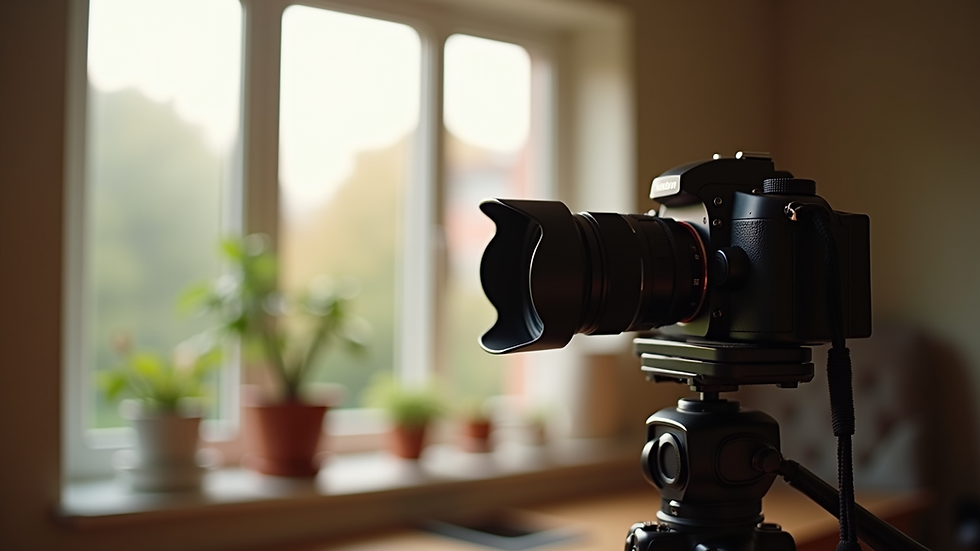
Getting to Know Natural Light: Your Best Friend in Photography
Natural light is the easiest and most beautiful light source you can use. If you’re in Sleaford or nearby, you’re lucky to have plenty of daylight to work with. The key is to understand how the sun’s position affects your shots.
Golden hour: The hour after sunrise and before sunset gives you warm, soft light that’s perfect for portraits.
Overcast days: Clouds act like a giant diffuser, softening harsh shadows.
Shade: Shooting in the shade can help avoid squinting and harsh highlights.
When I’m shooting families or headshots, I often position my subjects near a window or outside in the shade. This way, the light wraps gently around their faces, creating a natural, flattering look.
If you want to control natural light better, try using a reflector. It bounces light back onto your subject, filling in shadows and brightening up the image without harshness.

Simple Artificial Lighting Setups for Beginners
Sometimes, natural light isn’t enough or isn’t available. That’s when artificial lighting comes in handy. Don’t be intimidated by studio lights or flashes - you can start small and still get great results.
Here are some beginner-friendly setups:
Single light source: Use a lamp or a softbox to light your subject from one side. This creates nice shadows and depth.
Two-light setup: One main light and a fill light to soften shadows.
Backlighting: Place a light behind your subject for a glowing outline effect.
When I’m working indoors, I often use a simple lamp with a lampshade to diffuse the light. It’s affordable and easy to control. Just remember to avoid mixing different colour temperatures (like daylight and tungsten bulbs) to keep your colours consistent.
How to Use Shadows Creatively in Your Photos
Shadows aren’t your enemy - they’re your creative partner! Playing with shadows can add drama, texture, and mood to your images. Here’s how I like to use shadows:
Side lighting: Position your light source to the side of your subject to create strong shadows and highlight textures.
Silhouettes: Place your subject in front of a bright background and expose for the background to create a striking silhouette.
Patterns: Use objects like blinds or leaves to cast interesting shadow patterns on your subject.
Don’t be afraid to experiment. Shadows can turn a simple portrait into something truly memorable.
Tips for Portrait and Family Photography Lighting
Portraits and family photos are all about capturing personality and connection. Lighting plays a huge role in making your subjects look their best and feel comfortable.
Here are some tips I use regularly:
Soft, diffused light: It’s flattering and reduces harsh shadows on faces.
Catchlights: Position your light so you get a sparkle in the eyes - it brings photos to life.
Avoid direct overhead light: It can create unflattering shadows under the eyes and nose.
Use reflectors or white surfaces: Bounce light back onto your subjects to brighten their faces.
When photographing families, I like to keep the lighting natural and relaxed. It helps everyone feel at ease, which shows in the photos.
If you want to learn more about photography lighting techniques for beginners, there are plenty of great resources online that can guide you step-by-step.
Making Your Lighting Work for You: Practice and Patience
Lighting can seem tricky at first, but the more you practice, the more natural it becomes. Try shooting in different lighting conditions and take notes on what works and what doesn’t. Don’t be afraid to make mistakes - that’s how you learn!
Remember, the goal is to make your subjects look and feel great. Whether you’re capturing a professional headshot or a fun family moment, good lighting helps tell the story.
So grab your camera, find some light, and start experimenting. You’ll be amazed at how much better your photos look with just a little attention to lighting.
I hope these beginner lighting techniques help you feel more confident and excited about your photography journey. Lighting is a powerful tool, and with a bit of practice, you’ll be creating beautiful, memorable images in no time!


Comments