


Creating Stunning Artistic Monochrome Portraits
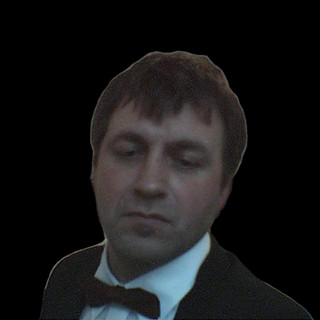
When it comes to portrait photography, there’s something truly timeless and captivating about black and white images. They strip away distractions, focusing on emotion, texture, and light. If you’ve ever wanted to create artistic monochrome portraits that tell a story and evoke feeling, you’re in the right place. I’m here to share some practical tips and insights that will help you capture portraits that stand out, whether you’re photographing individuals, families, or professionals.
Let’s dive into the world of black and white portraiture and explore how you can make your images not just pictures, but works of art.
Why Choose Artistic Monochrome Portraits?
Black and white photography has a unique charm. It’s not just about removing colour; it’s about enhancing mood and expression. When you shoot in monochrome, you’re inviting viewers to focus on the subject’s eyes, the lines on their face, the play of shadows and highlights. This can create a powerful connection between the viewer and the portrait.
Here’s why I love working with artistic monochrome portraits:
Timelessness: These portraits never go out of style. They look just as striking today as they did decades ago.
Focus on Emotion: Without colour, emotions become more pronounced. The viewer’s attention is drawn to the subject’s expression and body language.
Texture and Contrast: Skin, hair, and clothing textures pop in black and white, adding depth and interest.
Simplicity: The absence of colour simplifies the image, making it easier to tell a story.
If you want to create portraits that feel classic yet fresh, black and white is a fantastic choice.

Essential Tips for Capturing Artistic Monochrome Portraits
Creating beautiful black and white portraits isn’t just about switching your camera to monochrome mode. It’s about understanding how light, composition, and subject work together to create mood and impact. Here are some tips I always keep in mind:
1. Pay Attention to Lighting
Lighting is everything in black and white photography. The right light can create dramatic shadows and highlights that add depth and emotion.
Use side lighting to create contrast and texture on the face.
Soft, diffused light works well for gentle, flattering portraits.
Experiment with backlighting to create silhouettes or rim light effects.
Avoid flat, even lighting as it can make the image look dull.
2. Focus on Composition
Composition guides the viewer’s eye and helps tell the story.
Use the rule of thirds to place your subject off-centre for a more dynamic image.
Look for interesting backgrounds that add texture but don’t distract.
Use leading lines or natural frames to draw attention to the subject.
Don’t be afraid to get close and fill the frame with your subject’s face or hands.
3. Capture Genuine Emotion
The best portraits show real emotion. Encourage your subject to relax and be themselves.
Chat with them to build rapport before shooting.
Use prompts or questions to evoke natural expressions.
Capture candid moments between posed shots.
Remember, sometimes the quiet, subtle expressions tell the most powerful stories.
4. Use Contrast Wisely
Contrast is key in black and white photography. It helps separate the subject from the background and adds drama.
Adjust contrast in post-processing to enhance shadows and highlights.
Be careful not to overdo it – too much contrast can lose detail.
Use contrast to highlight textures like wrinkles, hair strands, or fabric.
5. Experiment with Angles and Perspectives
Don’t just shoot from eye level. Try different angles to add interest.
Shoot from a low angle to give your subject a sense of power.
A high angle can create vulnerability or softness.
Close-ups can reveal details and emotions that wider shots might miss.

How to Edit Your Artistic Monochrome Portraits
Editing is where your artistic vision really comes to life. Here’s a simple workflow I follow to enhance my black and white portraits:
Step 1: Convert to Black and White
Start by converting your colour image to black and white using your favourite editing software. Most programs offer presets, but I recommend adjusting manually for the best results.
Step 2: Adjust Exposure and Contrast
Increase contrast to make the image pop.
Adjust exposure to ensure the subject’s face is well-lit.
Use the curves tool to fine-tune shadows and highlights.
Step 3: Dodge and Burn
Dodging (lightening) and burning (darkening) specific areas can add depth and guide the viewer’s eye.
Lighten the eyes and lips to draw attention.
Darken the background or less important areas to reduce distractions.
Step 4: Sharpen and Reduce Noise
Apply sharpening to enhance details like eyelashes and hair.
Use noise reduction sparingly to keep the image clean without losing texture.
Step 5: Add a Vignette (Optional)
A subtle vignette can focus attention on the subject by darkening the edges of the photo.
Bonus Tip: Keep It Natural
While editing is important, don’t overdo it. The goal is to enhance the natural beauty and emotion of your subject, not to create something artificial.
Gear and Settings for Artistic Monochrome Portraits
You don’t need fancy gear to create stunning black and white portraits, but some tools and settings can help.
Camera Settings
Shoot in RAW for maximum editing flexibility.
Use a wide aperture (f/1.8 to f/4) for a shallow depth of field and beautiful background blur.
Keep ISO low to avoid noise, especially in low light.
Use manual focus or single-point autofocus to ensure sharp eyes.
Recommended Gear
A prime lens like a 50mm or 85mm is perfect for portraits.
A reflector can help bounce light and soften shadows.
Natural light is fantastic, but a simple off-camera flash or softbox can add creative lighting.
Remember, the best camera is the one you have with you. Focus on composition and connection, and the rest will follow.
Bringing Your Artistic Vision to Life
Creating artistic black and white portraits is about more than just technique. It’s about connecting with your subject and telling their story through your lens. Whether you’re photographing a professional headshot, a family portrait, or an individual, the goal is to capture something real and beautiful.
If you want to explore more about creating artistic black and white portraits, take your time experimenting with light, angles, and editing. Don’t be afraid to try new things and make mistakes – that’s how you grow as a photographer.
I hope these tips inspire you to pick up your camera and start creating your own timeless monochrome portraits. Remember, the magic is in the details, the emotion, and the light. Happy shooting!
If you want to chat about portrait photography or book a session, feel free to reach out. I’m always here to help you capture your best moments with style and ease.


Comments